
Dr. Sears’ alternative immunization plan gained traction as parents sought modified approaches, diverging from standard CDC guidelines.
This schedule, often found as a PDF document, proposes a delayed timeline for vaccinations, aiming to lessen potential side effects.
Historical Context of Alternative Schedules
Historically, concerns regarding vaccine safety and timing have fueled the development of alternative schedules, predating Dr. Sears’ plan. The desire for greater parental control over their children’s healthcare, coupled with anxieties about potential adverse reactions, spurred interest in modified immunization timelines.
Before the widespread availability of the Dr. Sears schedule – often accessed as a PDF – parents explored delaying or spacing out vaccines based on anecdotal evidence and personal beliefs. This trend intensified with increased access to online information and the rise of vaccine hesitancy.
The CDC’s recommended schedule, while rigorously tested, faced scrutiny, leading some pediatricians to acknowledge parental concerns and offer customized plans. Dr. Sears’ schedule became prominent, offering a detailed, albeit controversial, alternative widely distributed in PDF format, capitalizing on this existing demand for flexibility.
Dr. Sears’ Credentials and Background
Robert Sears, MD, is a pediatrician practicing in Southern California, and author of “The Vaccine Book,” the source of his widely circulated immunization schedule, often available as a PDF. He earned his medical degree from Georgetown University School of Medicine and completed his residency at Children’s Hospital Los Angeles.
Dr. Sears is affiliated with multiple medical organizations and has authored several books focused on child health and parenting. His approach emphasizes a more individualized approach to healthcare, acknowledging parental concerns and seeking a balance between vaccine protection and minimizing potential risks.
The Dr. Sears vaccine schedule, detailed in his book and distributed as a PDF, has become a focal point of debate within the medical community, with supporters citing parental autonomy and critics raising concerns about public health implications.
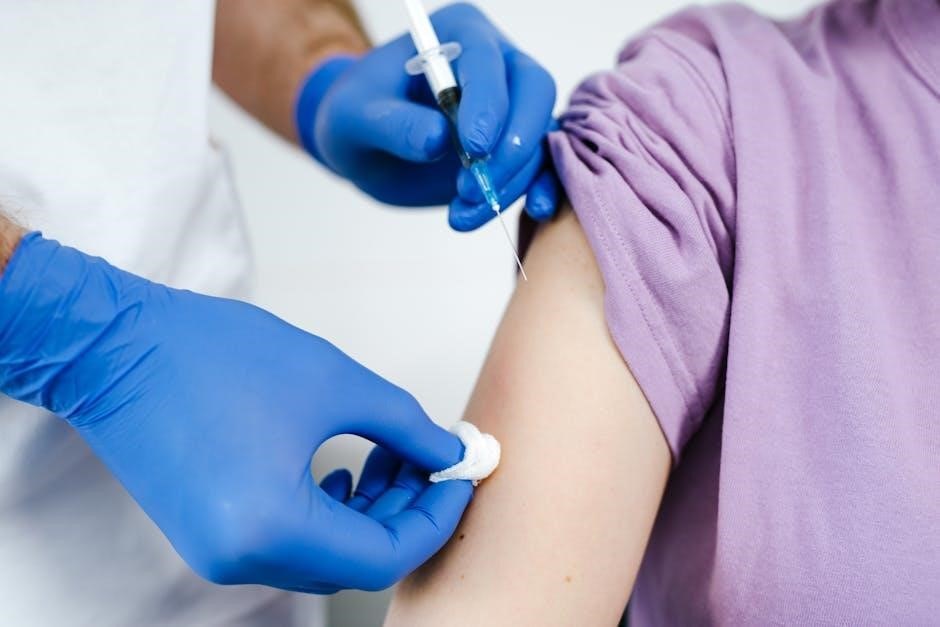
The Sears Vaccine Schedule: A Detailed Overview
Dr. Sears’ schedule, often accessed as a PDF, proposes a slower pace of vaccinations, spreading them out over a longer period than the CDC recommends.
Delayed Vaccine Schedule Philosophy
Dr. Sears’ delayed schedule, commonly distributed as a PDF, stems from a belief that a child’s immune system can handle multiple vaccines more effectively when given at older ages. This approach aims to minimize the risk of adverse reactions by reducing the number of vaccines administered simultaneously.
The core philosophy centers on the idea that spreading out vaccinations allows a child’s immune system to mature and develop a stronger response. Proponents suggest this method acknowledges individual variations in immune system development and reduces the potential for overwhelming the system. The PDF document details a phased approach, prioritizing essential vaccines while delaying others, based on perceived risk and benefit. This contrasts with the CDC’s recommended schedule, which prioritizes early protection against preventable diseases.
Key Differences from CDC Schedule
The Dr. Sears’ vaccine schedule, available as a PDF, significantly diverges from the CDC’s recommendations in both timing and quantity. While the CDC advocates for a rapid immunization pace, Dr. Sears’ plan spreads vaccinations over a longer period. This includes delaying or removing certain vaccines altogether, a practice not endorsed by mainstream medical organizations.
Specifically, the Sears schedule often postpones the first dose of several vaccines, including hepatitis B and some combination vaccines. The PDF outlines a reduced vaccine load per visit, aiming to lessen potential side effects. This contrasts sharply with the CDC’s schedule, designed for maximum early protection. Recent CDC changes (as of 02/27/2026) are also moving towards fewer vaccines, but still differ substantially from Dr. Sears’ approach.
Components of the Sears Schedule – First Two Years
The Dr. Sears’ schedule, detailed in its PDF format, proposes a phased approach to vaccinations within the first two years of life. Birth to six months focuses on delaying the initial Hepatitis B vaccine, and spacing out the DTaP and Hib vaccines. From six to twelve months, the PDF suggests further delays and potentially omitting the flu vaccine in some cases.
Between twelve and eighteen months, the Sears schedule continues to spread out vaccinations, often combining fewer vaccines per visit. The PDF emphasizes parental observation for any adverse reactions. This contrasts with the CDC’s more concentrated schedule. Pediatricians are increasingly navigating these differing approaches, especially given recent CDC revisions and the influence of figures like Robert F. Kennedy Jr.
Birth to 6 Months
According to the Dr. Sears’ vaccine schedule PDF, the initial period, birth to six months, significantly diverges from the CDC recommendations. The Hepatitis B vaccine is often delayed, sometimes postponed until later infancy. The PDF details a slower pace for the DTaP (diphtheria, tetanus, and pertussis) vaccine, administering fewer doses within this timeframe.
Similarly, the Hib (Haemophilus influenzae type b) vaccine is spaced out. Dr. Sears’ approach, outlined in the PDF, prioritizes allowing the infant’s immune system to mature gradually. This contrasts with the CDC’s earlier, more concentrated schedule. The PDF also advises parents to carefully monitor their child for any reactions following vaccination, emphasizing a cautious approach during these early months.
6 to 12 Months
The Dr. Sears’ vaccine schedule PDF outlines a continued, deliberate pacing of vaccinations between six and twelve months. The DTaP vaccine series continues, but with extended intervals between doses, differing from the CDC’s recommended schedule. The PDF emphasizes observing the infant’s response to each vaccine before proceeding.
details a focus on minimizing the number of vaccines administered at any single visit. Rotavirus vaccine administration is similarly adjusted, with a modified schedule. Dr. Sears’ philosophy, as presented in the PDF, centers on supporting the child’s immune system development, avoiding potential overload.
12 to 18 Months
According to the Dr. Sears’ vaccine schedule PDF, this period focuses on completing core vaccinations with continued spacing. The final dose of the DTaP series is typically administered, but potentially delayed based on the child’s health and previous responses, as detailed within the PDF. The Hib (Haemophilus influenzae type b) vaccine is also often completed during this timeframe, again with a focus on individualized timing.
schedule often suggests delaying it slightly compared to the CDC recommendations. The PDF emphasizes a holistic approach, considering the child’s overall well-being alongside vaccination protocols.
Components of the Sears Schedule – Beyond 18 Months
The Dr. Sears’ vaccine schedule, as outlined in the comprehensive PDF, transitions beyond 18 months to booster doses and less frequently administered vaccines. The PDF details a continued emphasis on spacing vaccinations, aiming to minimize potential immune system overload. Booster shots for DTaP and potentially MMR are scheduled, but with flexibility based on individual health assessments.
The PDF also addresses the varicella (chickenpox) vaccine, often administered in two doses, with the timing adjusted according to Dr. Sears’ philosophy. Further vaccinations, like hepatitis A, are incorporated, again with a personalized approach. The PDF stresses the importance of ongoing communication with a pediatrician to tailor the schedule to the child’s specific needs and health history.
18 Months to 4 Years
The Dr. Sears’ vaccine schedule PDF details a period of consolidation and completion of core vaccinations between 18 months and 4 years. This phase focuses on booster doses for previously administered vaccines, like DTaP, and the introduction of others, such as the inactivated polio vaccine (IPV). The PDF emphasizes delaying the MMR vaccine until after 2 years of age, diverging from the CDC recommendations.
The PDF also outlines a strategy for spacing out vaccinations to potentially reduce the risk of adverse reactions. It suggests combining multiple vaccines into fewer visits, while still adhering to a modified timeline. Parents utilizing this schedule, as detailed in the PDF, are encouraged to maintain open communication with their pediatrician to ensure optimal protection and address any concerns.
4 to 6 Years
According to the Dr. Sears’ vaccine schedule PDF, the 4-to-6-year-old period is crucial for completing pre-school vaccination requirements. This stage typically involves the final dose of the DTaP vaccine and the second dose of the MMR vaccine, if not administered earlier per the modified schedule. The PDF continues to advocate for a slower pace, potentially spreading these boosters over multiple appointments.
The PDF also addresses the varicella (chickenpox) vaccine, often given in two doses. Dr. Sears’ approach, detailed within the document, may suggest delaying the second dose slightly. Parents referencing the PDF are advised to discuss the rationale behind these adjustments with their healthcare provider, ensuring compliance with school entry requirements while aligning with their chosen vaccination philosophy.
School-Age Vaccinations
The Dr. Sears’ vaccine schedule PDF outlines recommendations for school-age children, focusing on boosters and newly required vaccinations. Typically, around 11-12 years old, the Tdap (tetanus, diphtheria, pertussis) vaccine is administered, protecting against whooping cough, as detailed in the PDF. The PDF also highlights the importance of the HPV vaccine series, often initiated during adolescence, though timing can vary based on parental preference and state guidelines.
The PDF emphasizes continued monitoring of the CDC schedule for updates and potential additions, like the meningococcal vaccine. Dr. Sears’ approach, as presented in the document, prioritizes informed consent and individualized timing, encouraging parents to discuss concerns and tailor the schedule accordingly. Accessing the latest PDF version is crucial for accurate information;

Controversies and Criticisms
Dr. Sears’ schedule, detailed in the PDF, faces medical community scrutiny, with concerns about increased disease susceptibility due to delayed vaccination timelines and public health impacts.
Concerns from the Medical Community
Medical professionals widely express significant concerns regarding the Dr. Sears’ vaccine schedule, readily available as a PDF resource; A primary worry centers on the potential for increased vulnerability to vaccine-preventable diseases; Delaying vaccinations, as outlined in the schedule, leaves children unprotected during critical periods, potentially contributing to outbreaks.
Critics argue that the schedule lacks robust scientific backing and deviates from evidence-based recommendations established by organizations like the CDC and the American Academy of Pediatrics. The fragmented approach, detailed within the PDF document, may also lead to confusion for parents and healthcare providers, hindering proper immunization tracking. Furthermore, some fear that promoting alternative schedules fuels vaccine hesitancy, undermining public health efforts to achieve herd immunity. The PDF’s accessibility raises concerns about its widespread influence despite lacking broad medical consensus.
Arguments Supporting the Sears Schedule
Proponents of the Dr. Sears’ vaccine schedule, often accessed as a PDF, believe it offers a more cautious approach to immunization. They argue that spreading out vaccines, as detailed in the PDF, reduces the risk of overwhelming a child’s immune system, potentially minimizing adverse reactions. Parents appreciate the perceived greater control over their child’s healthcare decisions, finding the schedule less aggressive than the standard CDC recommendations.
Supporters suggest the schedule accommodates parental concerns about vaccine safety, offering a compromise between complete refusal and strict adherence to the conventional timeline. The PDF format allows for easy dissemination and understanding of the proposed modifications. Some believe it aligns with a more individualized approach to medicine, acknowledging varying immune responses among children. However, it’s crucial to note these arguments are often countered by the medical community’s emphasis on the proven safety and efficacy of the CDC schedule.
Impact of Robert F. Kennedy Jr.’s Influence on Vaccine Policies

Robert F. Kennedy Jr.’s, now Health Secretary, influence has demonstrably shifted US vaccine policies, impacting the perception of schedules like Dr. Sears’, often distributed as a PDF. His advocacy for alternative viewpoints has emboldened parents seeking modified immunization timelines, increasing demand for resources like the Sears’ schedule PDF. The recent CDC changes, recommending fewer vaccines, align with some of Kennedy Jr.’s long-held positions.
This shift has fueled debate, with some pediatricians embracing alternative schedules, countering the CDC revisions. The accessibility of the Sears’ schedule PDF online has likely contributed to its increased popularity amidst this changing landscape. Critics argue Kennedy Jr.’s influence is based on misinformation, potentially endangering public health. However, his appointment has undeniably created space for questioning established vaccine protocols and exploring alternatives, like those detailed in the widely circulated PDF.

Recent Changes to CDC Vaccine Schedules (as of 02/27/2026)
CDC announced Monday a revised childhood immunization schedule, recommending fewer vaccines, mirroring Denmark’s approach. This impacts discussions around schedules like Dr. Sears’ PDF.
Comparison with Danish Vaccine Schedule
The United States is shifting towards the Danish vaccine schedule, known for its fewer doses and later administration, particularly for diseases like measles, mumps, and rubella. This change directly influences the debate surrounding alternative schedules, such as Dr. Sears’ plan, often accessed as a PDF. Denmark, with its universal healthcare system, demonstrates comparable or superior immunity rates despite the less aggressive vaccination timeline.
The CDC’s decision acknowledges potential benefits of a more measured approach, addressing parental concerns about overwhelming the infant immune system. While Dr; Sears’ schedule isn’t identical to Denmark’s, both prioritize a slower pace. The Danish model’s success provides data supporting the feasibility of delaying certain vaccinations without compromising public health, potentially validating some aspects of the PDF guide’s philosophy. However, it’s crucial to note that the Danish schedule is nationally standardized, unlike the individualized nature of Dr. Sears’ recommendations.
Impact on Pediatricians in the US
The CDC’s revised vaccine schedule, coupled with Robert F. Kennedy Jr.’s influence as Health Secretary, is creating a complex landscape for US pediatricians. Many are now navigating a surge in parental requests for alternative schedules, including the one popularized by Dr. Sears, frequently distributed as a PDF. This shift necessitates more extensive counseling to address vaccine hesitancy and explain the rationale behind both the CDC guidelines and alternative approaches.
Some pediatricians are embracing the changes, acknowledging parental concerns and adapting their practices. Others remain firmly committed to the traditional CDC schedule, fearing a decline in herd immunity. The availability of the Dr. Sears PDF empowers parents to initiate these conversations, placing pediatricians in a challenging position of balancing patient autonomy with public health recommendations. This situation demands ongoing professional development and clear communication strategies.

Accessing the Dr. Sears Vaccine Schedule PDF
Dr. Sears’ vaccine schedule PDF is widely available online through various parenting websites and health resource platforms, offering detailed immunization timelines.
Where to Find the Official PDF Document
Locating the official Dr. Sears’ vaccine schedule PDF requires careful navigation, as numerous unofficial versions circulate online. While not directly hosted on a government health website, the document is prominently featured on websites dedicated to alternative health and parenting advice. A primary source is often found through links shared within online parenting communities and forums discussing vaccination choices.

However, verifying the document’s authenticity is crucial. Parents should prioritize accessing the schedule from reputable sources known for providing accurate health information. Websites associated with Dr. Bob Sears himself, or those clearly referencing his published work, are generally considered reliable. Be cautious of sites with questionable credibility or those promoting unsubstantiated medical claims. Always cross-reference information with trusted medical professionals before making any decisions regarding your child’s health.
Direct links to the PDF can change, so utilizing search engines with specific keywords like “Dr. Sears vaccine schedule PDF” and carefully evaluating the search results is recommended.
Understanding the PDF Format and Content
The Dr. Sears’ vaccine schedule PDF typically presents a table-formatted timeline, detailing recommended ages for each vaccination. Unlike the CDC’s consolidated schedule, Sears’ plan spreads out immunizations over a longer period, often delaying or separating multiple vaccines administered at once. The document outlines specific age ranges for initial doses and boosters of common childhood vaccines, including DTaP, polio, MMR, and varicella.
Content within the PDF emphasizes a philosophy of minimizing potential adverse reactions by reducing the immunological load on a child’s system. It often includes explanations of Dr. Sears’ rationale for the delayed schedule, addressing concerns about vaccine safety and efficacy. Parents will find detailed breakdowns of each vaccine, alongside the proposed timing for administration. It’s crucial to remember this is an alternative schedule and should be discussed with a pediatrician.
The PDF is designed for informational purposes and isn’t a substitute for professional medical advice.

SysMon Integration into Windows 11 and Vaccine Data Security
SysMon, now integrated into Windows 11, enhances system monitoring, potentially aiding in securing sensitive data like vaccine records, including PDF schedules.
Relevance of SysMon to Vaccine Record Management
SysMon’s integration into Windows 11 offers crucial benefits for safeguarding vaccine data, especially considering the increasing digitization of health records and the circulation of alternative schedules like the Dr. Sears’ plan, often accessed as a PDF.
The tool’s advanced monitoring capabilities allow for detailed logging of process creations, network connections, and file modifications. This is particularly relevant when managing and accessing PDF documents containing sensitive patient immunization information.
Specifically, SysMon can detect unauthorized access attempts to vaccine record databases or PDF files, identify malicious software attempting to steal data, and provide forensic evidence in case of a security breach. Its ability to monitor file hash changes can also alert administrators to any tampering with official vaccine schedules or patient records.
Furthermore, SysMon helps maintain data integrity and compliance with privacy regulations, ensuring the confidentiality and security of patient information related to vaccination choices, including those following alternative schedules.
Windows 11 Updates and Data Privacy
Windows 11 updates, including the recent November release, continually refine data privacy features, impacting how sensitive information like vaccine records – often stored or accessed via PDF documents such as the Dr. Sears’ schedule – is handled. Microsoft’s commitment to user control over data is paramount.
These updates enhance security protocols, mitigating risks associated with unauthorized access or data breaches. Improved encryption and access controls protect patient information contained within PDF files and related databases.
Furthermore, Windows 11 offers granular privacy settings, allowing users to customize data collection and sharing preferences. This is crucial for individuals utilizing alternative vaccine schedules and managing their own health data.
The integration of tools like SysMon, alongside regular security patches, strengthens the overall data privacy posture, ensuring compliance with evolving regulations and safeguarding sensitive health information.

Dr. Dre’s Philanthropic Activities and Relevance (Contextual Note)
Dr. Dre’s substantial donations to education, like the $70 million gift to USC, highlight a commitment to community well-being and access to resources.
Connection to Healthcare and Education Funding
Dr. Dre’s significant philanthropic contributions, particularly his $70 million donation to the University of Southern California (USC) for the establishment of the Jimmy Iovine and Dr. Dre Academy for the Arts, Communication and the Business of Creativity, demonstrate a broader investment in societal advancement.
While seemingly distant from vaccine schedules, this dedication to fostering education and opportunity indirectly supports public health initiatives. A well-educated populace is more likely to engage with health information critically and make informed decisions regarding healthcare, including vaccination.

Furthermore, funding educational programs can lead to advancements in medical research and innovation, ultimately benefiting public health infrastructure. This connection, though not direct, underscores a commitment to improving community well-being, mirroring the concerns driving interest in alternative vaccine approaches like the Dr. Sears schedule.